

Parasite
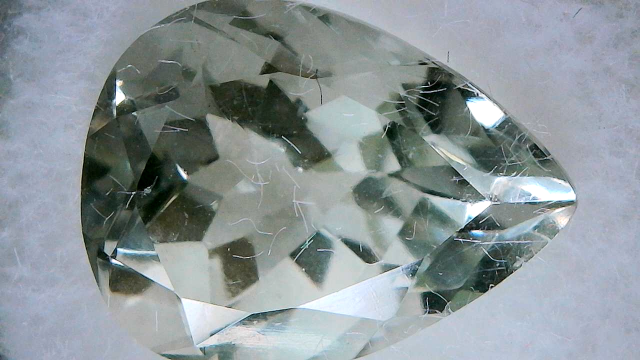
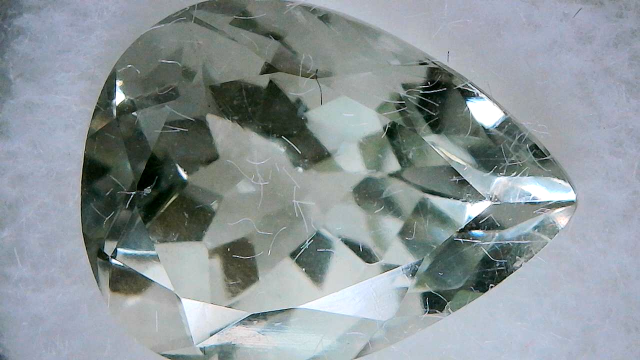
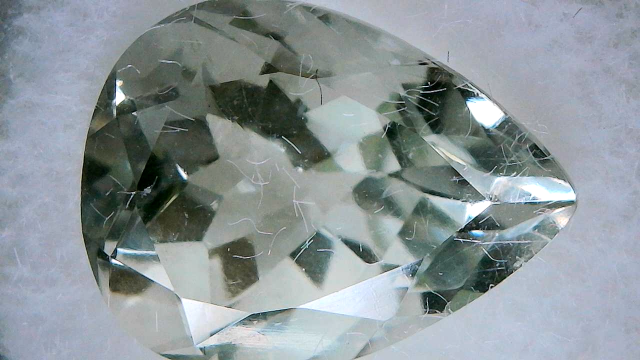
Prasiolite From Zambia 4.20 CT
Prasiolite, also commonly referred to as green quartz or "green amethyst," is a rare, light green variety of quartz. The word translates directly to "leek-green stone" in Greek. Prasiolite mined or sourced from Zambia—like prasiolite globally—carries deep metaphysical meaning and carries a distinct geological backstory.
The Geology Behind the Stone
While natural prasiolite is extremely rare, nearly all prasiolite on the market (including those originating from Zambian deposits) is created by heat-treating or irradiating purple amethyst. When specific amethyst containing trace amounts of iron is heated to around 500 °C, its color changes from purple to a soft sage or lime-green.
Metaphysical Meaning & Symbolism
Because of its luminous green tone and quartz composition, prasiolite is rich in symbolic and spiritual meaning:
- The Heart Chakra: It is strongly linked to the Heart Chakra, symbolizing compassion, self-acceptance, and emotional harmony. Crystal healers believe it encourages unconditional love and eases emotional blockages.
- Prosperity and Success: Often called the "Prosperity Stone," it is said to attract wealth, abundance, and good fortune. Many believe it provides the motivation and clarity needed to manifest your goals and turn spiritual growth into real-world success.
- Connection to Nature: Its refreshing color evokes renewal, growth, and a deeper grounded connection to the earth.
Practical Uses
Prasiolite has a Mohs hardness of 7, making it highly durable for everyday wear in jewelry. It is a popular, more affordable alternative to pricier green stones like emerald or peridot. If you have prasiolite jewelry, store it out of direct sunlight, as heat and UV rays can cause the green color to fade.