

Marcasite
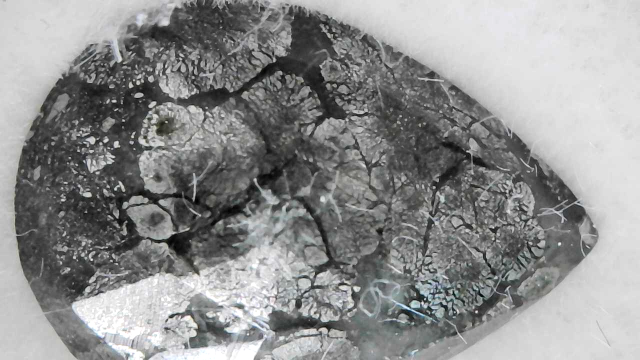
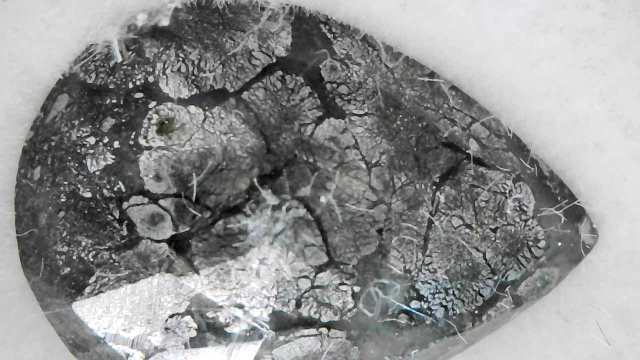
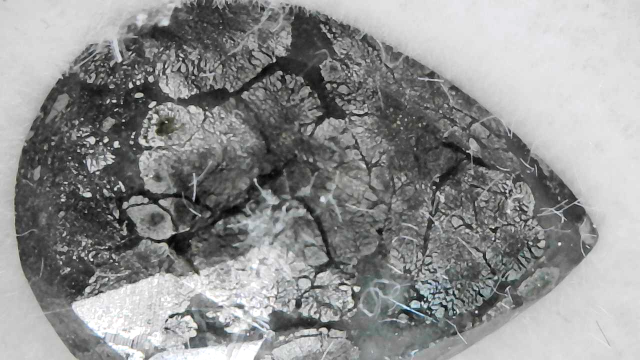
$125.00
Item number:
1
Marcasite From 5.60 CT
Marcasite is an iron sulfide mineral (FeS₂) known for its metallic luster and metallic, pale brass-yellow color. While it shares an identical chemical formula with pyrite (fool's gold), it forms a different crystal structure. Because natural marcasite is brittle, most "marcasite" jewelry actually uses faceted pyrite. [1, 2, 3, 4, 5]
Mineral Properties
-
- Chemical Formula: FeS₂
- Crystal System: Orthorhombic
- Appearance: Often forms distinct, striking crystals that look like spearheads or cockscombs.
- Stability: Marcasite is highly brittle and chemically unstable. It is prone to crumbling and can react with moisture to create sulfuric acid, making it difficult to maintain as a raw mineral collection piece. [1, 2, 3, 4]
"Marcasite" in Jewelry
What consumers and jewelry collectors refer to as "marcasite" is actually polished, faceted pyrite. It is highly prized for its subtle, diamond-like metallic sparkle. [1]
- Design Eras: The use of pyrite/marcasite in jewelry gained immense popularity in the Victorian, Edwardian, and Art Deco periods.
- Settings: The stones are typically bead-set or prong-set in sterling silver.
- Care: Because "marcasite" jewelry is made from pyrite, it is sensitive to water and humidity. Never submerge marcasite jewelry in water or use harsh chemical cleaners; gently wipe it with a soft cloth to maintain its shine. [1, 2, 3, 4]
Distinguishing Marcasite from Imitations
To ensure your antique or vintage jewelry is genuine, you can check for a few key traits:
- Setting: Real marcasite is set directly into the metal (often sterling silver, marked "925") rather than just glued.
- Streak Test: Real marcasite leaves a dark, greenish-black streak when rubbed against unglazed porcelain.
- Luster & Color: Marcasite has a brighter metallic or silvery finish, whereas pyrite is brassier.