

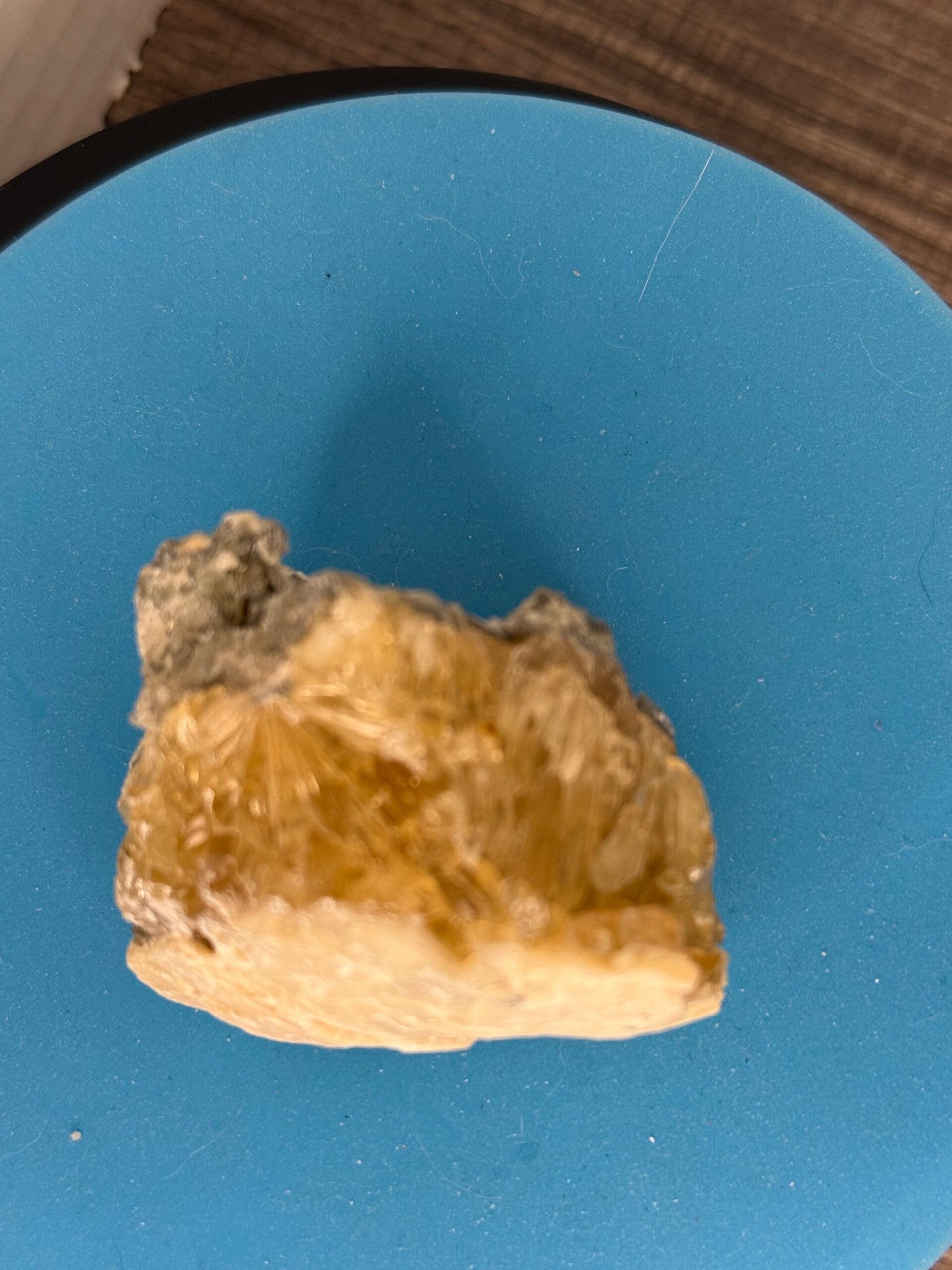
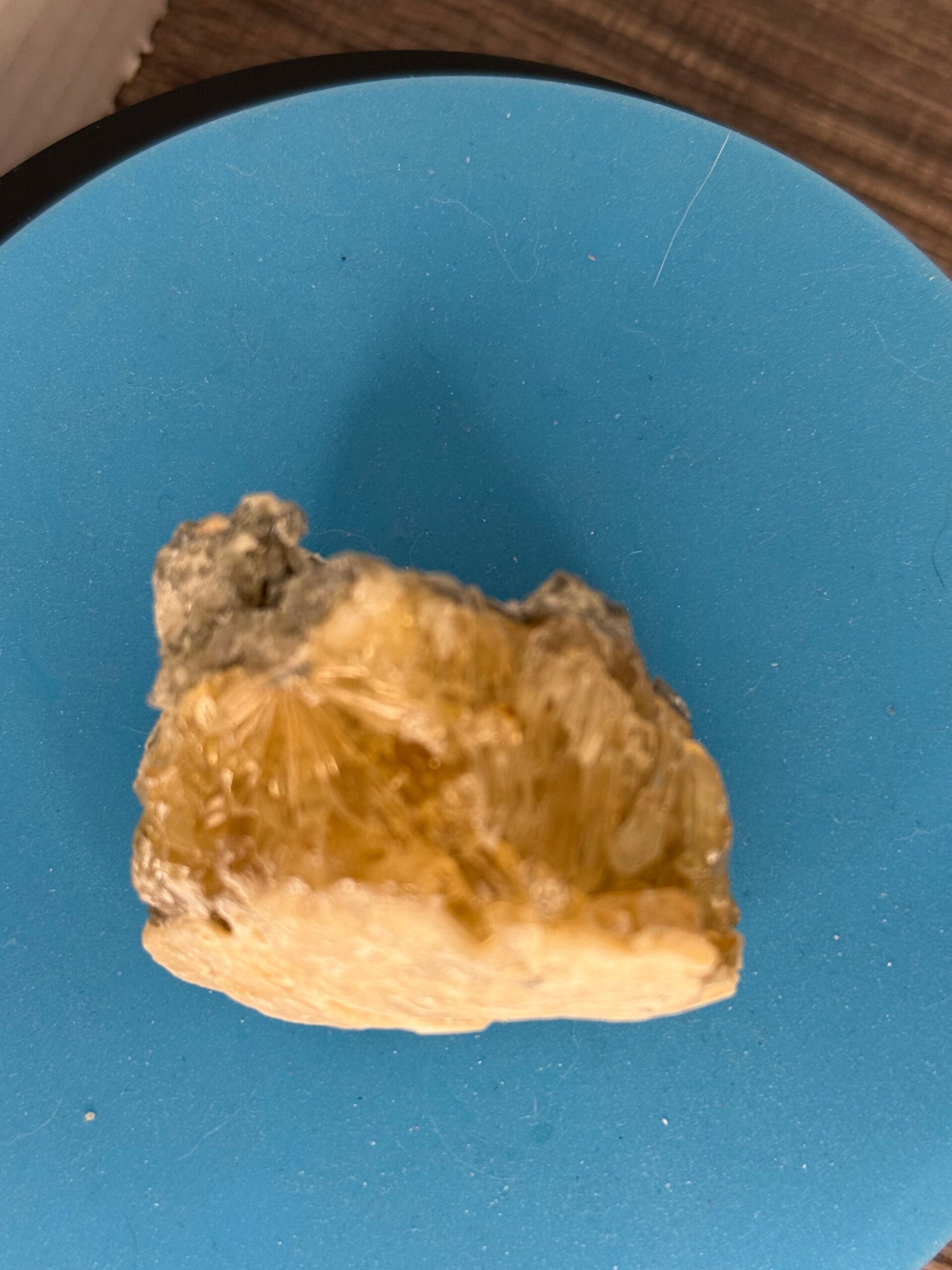
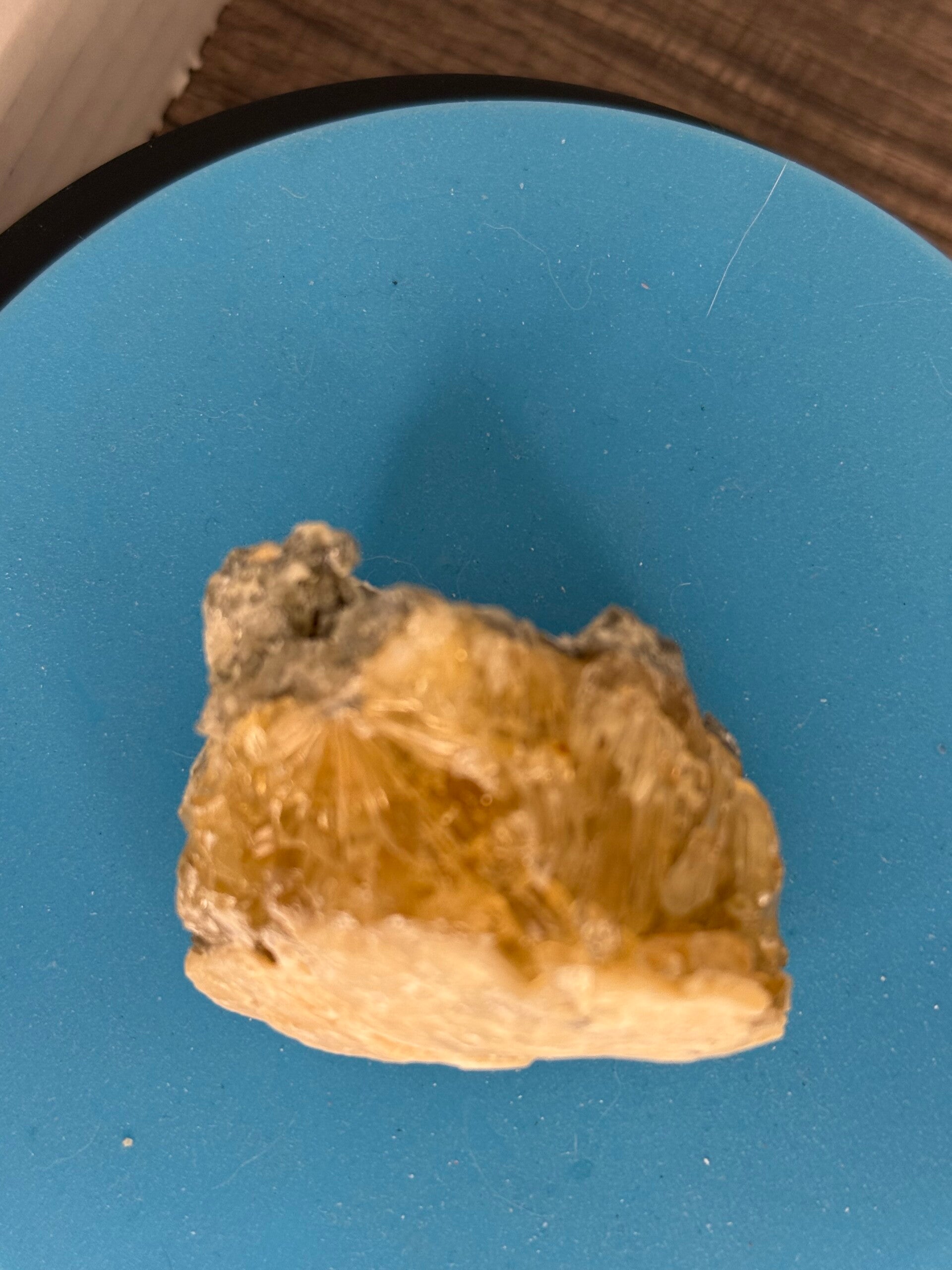
Ocean shell
$50.00
Item number:
1
Ocean Shell crystallized overtime
Ocean shells crystallize over time because they are made of calcium carbonate (CaCO₃). When the organism dies and the shell is buried, heat, pressure, and groundwater transform its unstable crystal structures into a more permanent geological form.
The process and meaning behind this transformation involve several steps:
- Unstable Origins (Aragonite): Living creatures (like clams and snails) build their shells using a mineral form of calcium carbonate called aragonite.
- The Shift to Calcite: Over long periods, or when exposed to heat and pressure (a geological process called diagenesis), the unstable aragonite breaks down and restructures into calcite, which is the most stable and enduring form of calcium carbonate.
- Geode Formation: Sometimes, the original shell dissolves completely, leaving a hollow mold in the rock. Mineral-rich groundwater then flows into this space, allowing perfect, visible crystals (like calcite or quartz) to grow in the shape of the shell.
When you find a "crystallized shell," it means the shell is in the process of becoming—or has entirely become—a fossil. It has been permanently changed from an organic exoskeleton into hard, stony rock.