

Nat Chrome Diopside
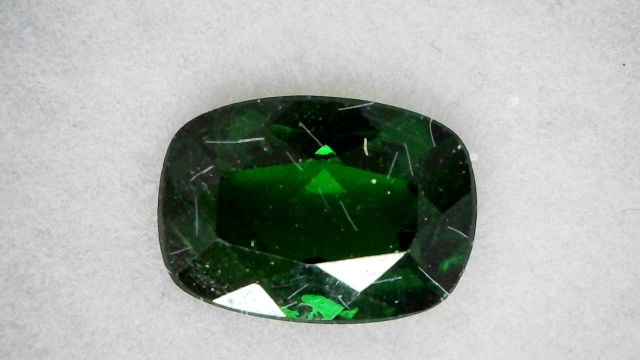
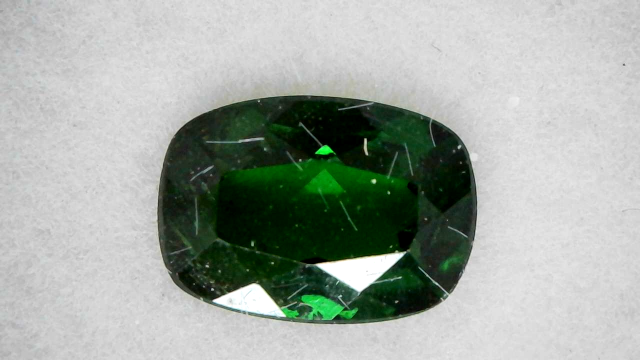
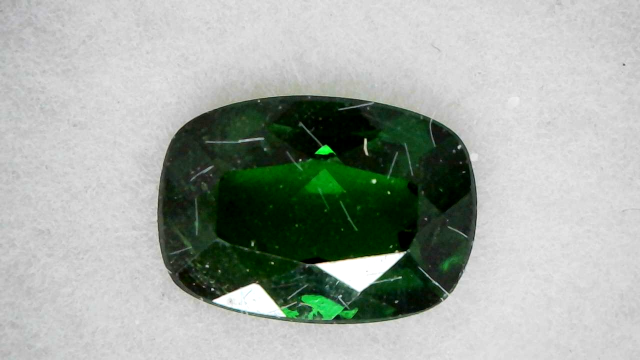
Nat Chrome Diopside From Siberia 1.15 CT
Natural Chrome Diopside is a vibrant, forest-green variety of the pyroxene mineral diopside that gets its intense emerald-like color from trace amounts of chromium. Highly valued as an affordable, untreated alternative to emerald and tsavorite garnet, it is prized by collectors and jewelry enthusiasts for its exceptional brilliance and rich saturation. [1, 2, 3, 4, 5]
Key Characteristics & Specifications
According to mineral databases like the GemRock Auctions Educational Guide, the stone features the following technical properties: []
- Composition: Calcium magnesium silicate colored by chromium.
- Mohs Hardness: 5.0 to 6.0 (relatively soft and brittle).
- Refractive Index: 1.66 to 1.70 (gives the stone high brilliance).
- Treatments: 100% natural; there are no known commercial treatments or heat enhancements used. [1, 2, 3, 4, 5, 6, 7]
Mining & Origin
The vast majority of gem-quality natural chrome diopside is sourced from the remote, frozen terrain of Siberia, Russia (specifically the Inagli region). Because of the extreme sub-zero winter temperatures, the mining window is limited to only two to three warm summer months each year. Smaller deposits also exist in places like Pakistan, Brazil, Madagascar, and parts of the United States.
Size and Cut Constraints
- Small Carat Weights: Most faceted gems on the market are under 2 carats.
- The "Darkness" Factor: In larger sizes (above 3 to 5 carats), the stone's high light absorption causes its color to look overly dense, often turning almost entirely black.
- Popular Cuts: It is commonly shaped into round, oval, cushion, or emerald cuts to optimize its fiery refraction. Specialty calibrated sizes (such as 5mm rounds) are widely available from suppliers like htc//www.Dig-It-Mining.com or Digitmining@yahoo.com.
Jewelry Care and Wearability
Because chrome diopside has a moderate hardness (5–6 on the Mohs scale) and distinct cleavage planes, it is more fragile than emeralds or sapphires.
- Best Uses: It is exceptionally well-suited for low-impact jewelry like earrings, pendants, and brooches.
- Ring Care: If set into a ring, it should feature a protective bezel or halo setting to shield the edges from accidental chips and everyday abrasions.