

Zircon
$165.00
Item number:
1
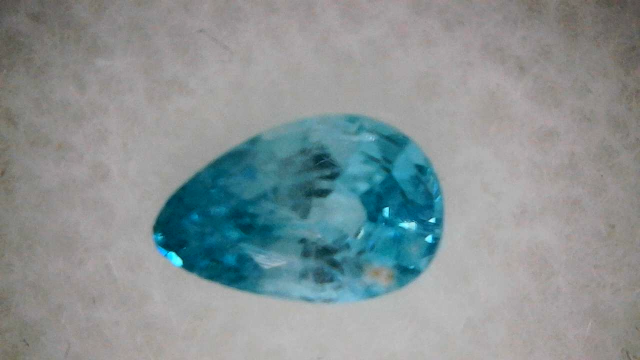
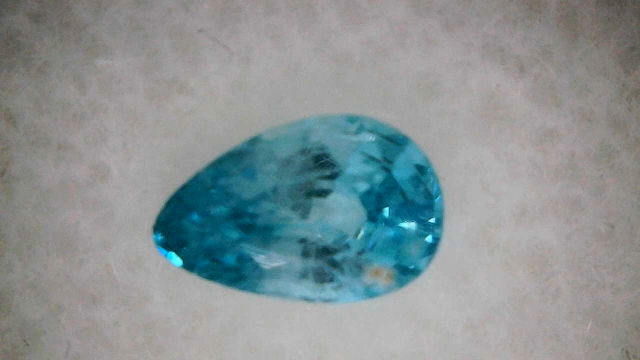
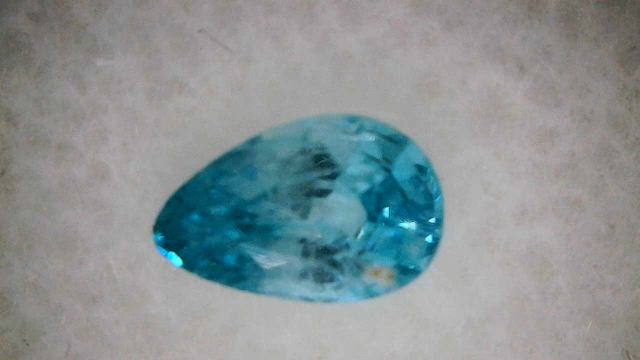
Zircon From Cambodia.62 CT
Zircon is a naturally occurring, durable mineral composed of zirconium silicate (ZrSiO₄). It is highly valued in the jewelry industry for its intense brilliance and fire, and in the scientific community as a geological clock used for radiometric age-dating.
1. Zircon vs. Cubic Zirconia
Zircon is frequently confused with cubic zirconia, but they are completely different:
-
- Zircon is a 100% natural, ancient gemstone dug from the earth.
- Cubic Zirconia (CZ) is a synthetic, laboratory-created material used primarily as an inexpensive diamond simulant.
2. Properties as a Gemstone
Zircon occurs in a wide spectrum of colors, including blue, red, yellow, orange, brown, green, and clear/colorless:
- Luster & Brilliance: It has a very high refractive index, giving it sparkle and fire rivaling that of a diamond.
- Durability: It rates 6.5 to 7.5 on the Mohs hardness scale. While hard enough for daily wear, it can be somewhat brittle, making protective settings advisable for rings.
- Treatments: Most vibrant blue and colorless zircons found in jewelry are the result of heat treatments applied to natural, less vibrant brown or yellow rough stones.
3. Scientific & Geological Importance
From a geological perspective, zircon is incredibly resilient, surviving erosion and extreme heat over billions of years.
- Earth's Oldest Material: Zircon crystals found in Western Australia have been dated to roughly 4.4 billion years old, making them the oldest known materials on Earth.
- Radiometric Dating: Zircon naturally traps trace amounts of uranium and thorium during formation. Because these radioactive elements decay into lead at a predictable rate, geologists can analyze the uranium-to-lead ratio to determine the exact age of the rock the zircon formed in.