

Vesuvianite
$289.00
Item number:
1
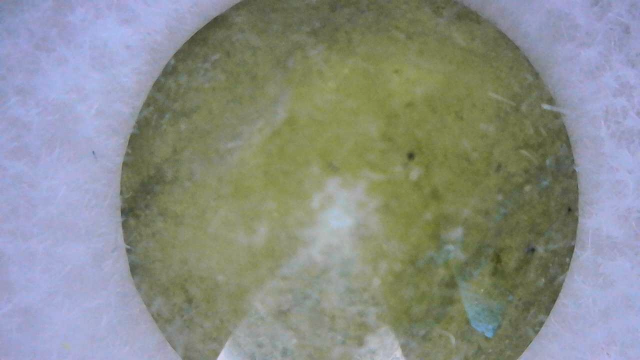
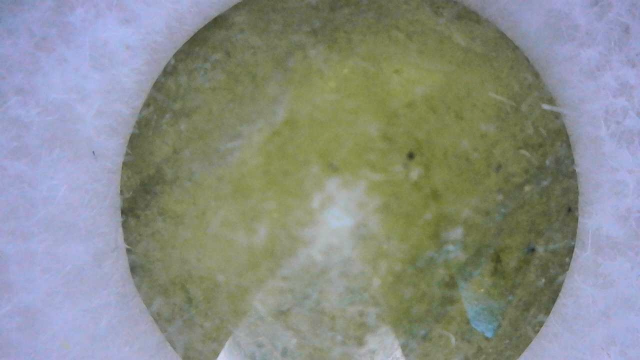
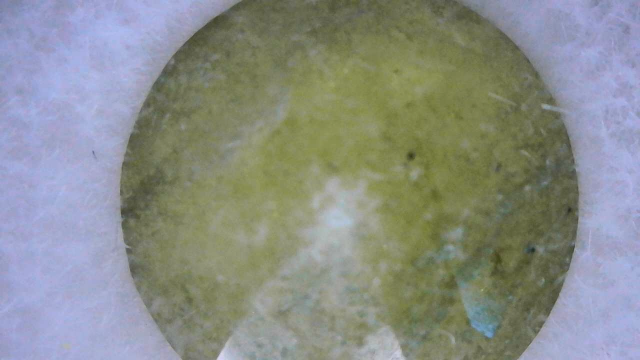
Vesuvianite From Italy 3.20 CT
Vesuvianite, also known as idocrase, is a complex calcium-aluminum silicate mineral that typically forms in green, yellow, or brown shades. Named after its original discovery site at Mount Vesuvius in Italy, it is prized by mineral collectors for its vibrant crystal structures and occasionally faceted into rare, highly valued gemstones.
Key Characteristics
-
- Mineral Family: Sorosilicate
- Hardness: 6.5 on the Mohs scale
- Crystal System: Tetragonal
- Luster: Vitreous (glassy) in transparent stones, or resinous/greasy in opaque varieties
- Color Variations: While olive green and forest green are most common, it can also appear in rare colors like pink, purple, red, and blue-green (known as Cyprine).
Common Varieties & Trade Names
Because of its varying color and localized forms, vesuvianite is occasionally marketed under alternative names:
- Idocrase: An older, widely used synonym originating from Greek words meaning "mixed appearance".
- Californite: An opaque, massive green variety that visually resembles jade.
- Cyprine: A rare, copper-bearing blue variety often found in Norway and New Jersey.
Notable Localities
Vesuvianite forms primarily through the contact metamorphism of limestone. Some of the most famous and prolific deposits are located in:
- The Jeffrey Mine (Quebec, Canada): Known for producing some of the finest, most vibrant green and violet vesuvianite crystals globally.
- Mount Vesuvius (Italy): The official type locality and namesake of the mineral.
- California & Pakistan: Significant historical producers of massive, jade-like californite.
Uses & Care
While transparent faceted vesuvianite is highly sought after by gem collectors, its hardness of 6.5 makes it suitable for everyday jewelry like rings and pendants, provided it is treated with care. It should be stored and handled gently to avoid scratches from harder stones. To explore or collect natural specimens.