

Natural Blue Topaz from Idaho
$2,150.00
Item number:
1
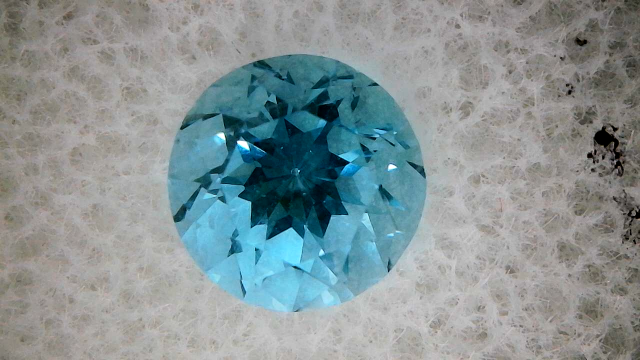
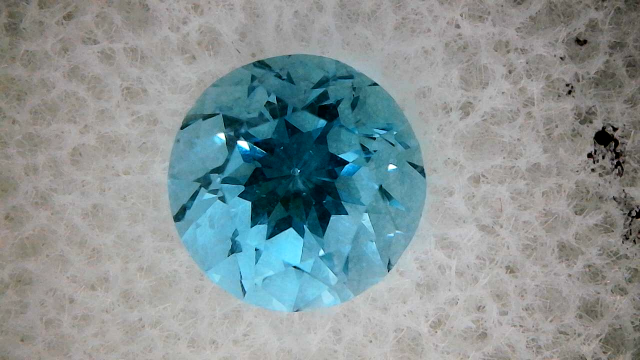
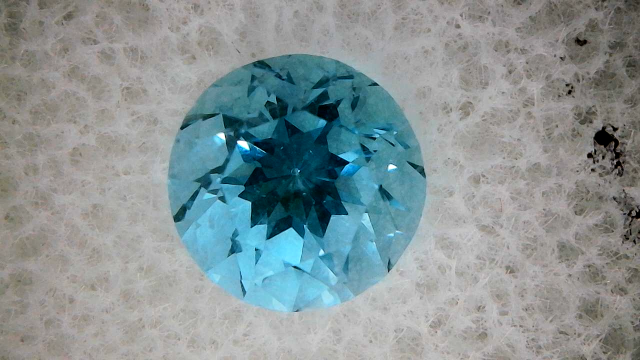
Natural blue topaz from Idaho 1.15 CT is an incredibly rare and beautiful find. While most commercial blue topaz is heat-treated and irradiated, Idaho’s native deposits yield faint, naturally pale-blue or clear crystals. Finding them requires high-altitude rockhounding in specific granite-rich mountain ranges.
Key Locations
- Sawtooth Mountains: Located in Custer and Elmore counties, the Sawtooth Batholith is the most famous region for Idaho topaz. Crystals are typically found as free-growing, etched, and doubly-terminated stones inside vugs (cavities) within the granite.
- Specific Spots: Popular collecting sites within the Sawtooth area include Little Spangle Lake, Upper Cramer Lake, and the Glenns Peak area.
Rarity & Appearance
- Natural vs. Treated: Natural blue topaz from Idaho has a very light, delicate, and almost aquamarine-like hue. If you see intensely deep blue topaz ("Swiss" or "London" blue), it is almost universally a colorless topaz that has been irradiated in a lab.
- Idaho Counterparts: Because of the similar environments and color, Idaho topaz is often found alongside (and confused with) world-class Sawtooth Aquamarine, which also occurs in highly prized pale-to-medium blue shades.
Rockhounding Tips
- Terrain: These remote, high-alpine locations require steep, rugged hikes (usually accessed via backcountry trails in Elmore or Boise counties).
- Tools: If you are exploring active claims or open granite fields, you will need tools like a crack hammer, rock chisels, a pry bar, and a crevice tool to carefully dig into the bedrock.
- Ethics & Claims: Always ensure you are not trespassing on active mining claims. You can map out public lands and review collecting guidelines using the Bureau of Land Management portal.
Sourcing
Because finding and faceting gem-grade natural blue topaz from the Sawtooths is highly labor-intensive, these stones are extremely scarce on the commercial market. Most collectors source them through dedicated mineral and lapidary groups like the Idaho Gem Club, Inc. or via specialty online mineral traders rather than large jewelry chains