Kyawthuite
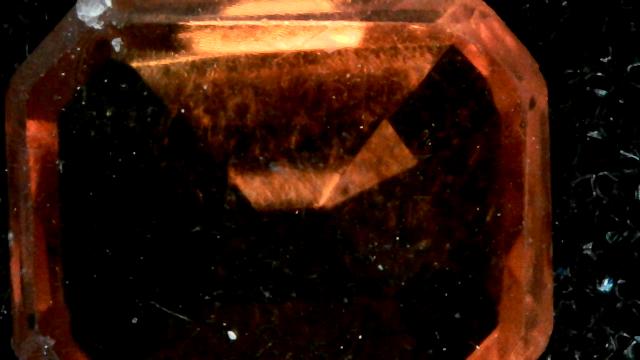
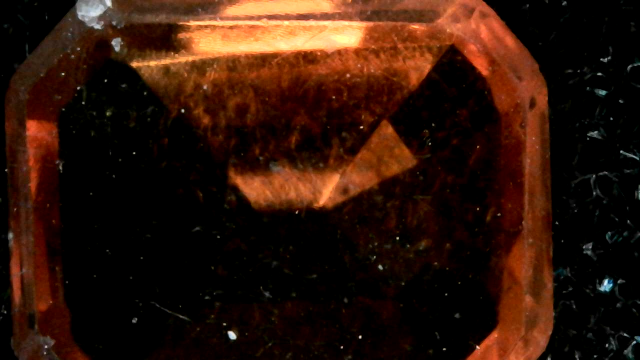
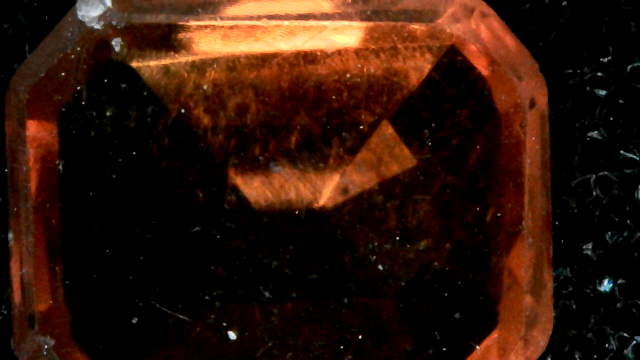
Kyawthuite From Mogok Myanmar 2.79 CT
Kyawthuite is the world's rarest recognized gemstone, with only a single, 1.61-carat reddish-orange specimen known to exist. Discovered in 2010 by sapphire hunters near Mogok, Myanmar, the extraordinarily dense bismuth-antimony oxide is currently housed at the Natural History Museum of Los Angeles County.
Key Characteristics
- Chemical Formula: BiSbO₄
- Weight & Color: 1.61 carats; transparent, deep reddish-orange with an adamantine luster.
- Density: 8.256 g/cm³, which is over eight times heavier than water and double the density of a ruby.
- Hardness: 5.5 on the Mohs scale.
- Origin: Believed to have formed in pegmatite under intense heat and pressure.
The Single Specimen
The only confirmed rough crystal was found in an alluvial stream bed in a region highly prolific for producing valuable gemstones (like rubies and sapphires). Local geologists and gem hunters initially overlooked it or mistook it for a more common mineral. After the stone was faceted, chemical testing proved it was a totally unique structure, leading the International Mineralogical Association (IMA) to officially recognize it as a new mineral in 2015. Because only one rough crystal has ever been discovered, it has no established commercial market value.